

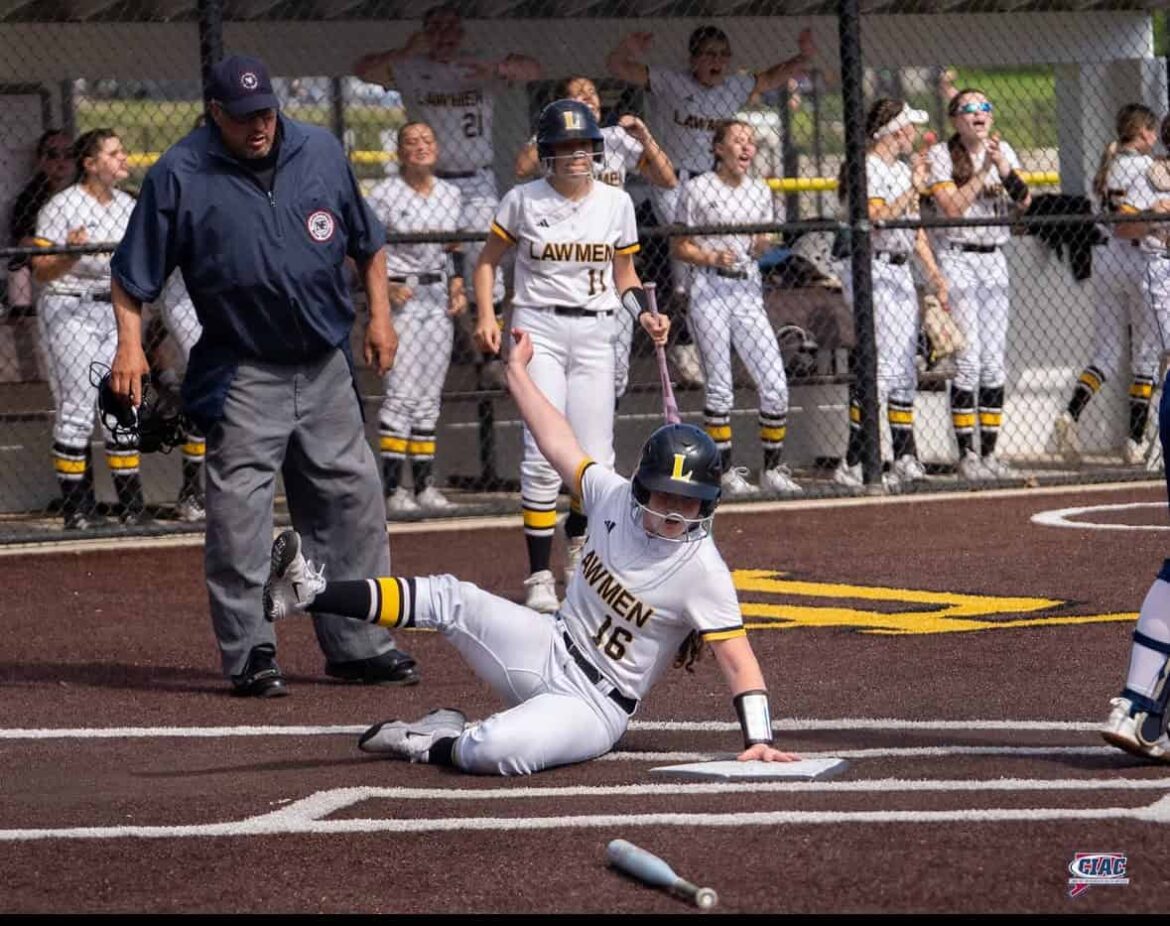
As spring arrives in Milford, high school student-athletes begin training for their sports season.
From softball diamonds at Jonathan Law to the track at Foran and lacrosse fields at Lauralton Hall, these students are preparing for months of teamwork, community, and growth, guided by the coaches who shape their experience.
Coaches are among the most influential figures on a sports team. Like educators, they teach athletes proper technique, discipline, and responsibility while serving as mentors. Through trust and communication, they help create a positive environment where athletes can grow on and off the field.
At Jonathan Law High School, the varsity girls’ softball team is already in full swing. They have three games and three practices every week, leaving Sunday to rest and reset.
Varsity captain Emily Roos shared what her daily routine looks like as a student-athlete and how she balances her responsibilities. “My everyday as a student athlete starts at 7:00 am. I usually wake up early before school to get a quick workout in and then eat before I head into school at 9:00,” Roos says. “After school, I go to practice from 2:00 – 4:00, then head to work afterwards from 5:00 – 9:00. After that, I will get home to shower, eat dinner, and finish homework before bed.”
While athletes manage rigorous schedules, coaches serve as a key support system, helping guide players through personal challenges. Varsity captain, Charlotte Doyle, emphasizes the importance of having a supportive coach. “Coaches make a huge impact on me and the sport itself,” she says, speaking about how head coach Melanie Blude interacts with the team. “Coach Blude takes the time out of her day to meet with the team, captains, and players as individuals, either just to check up on them, or to help them with something regarding softball, whether that’s tweaking someone’s swing or going over some film.”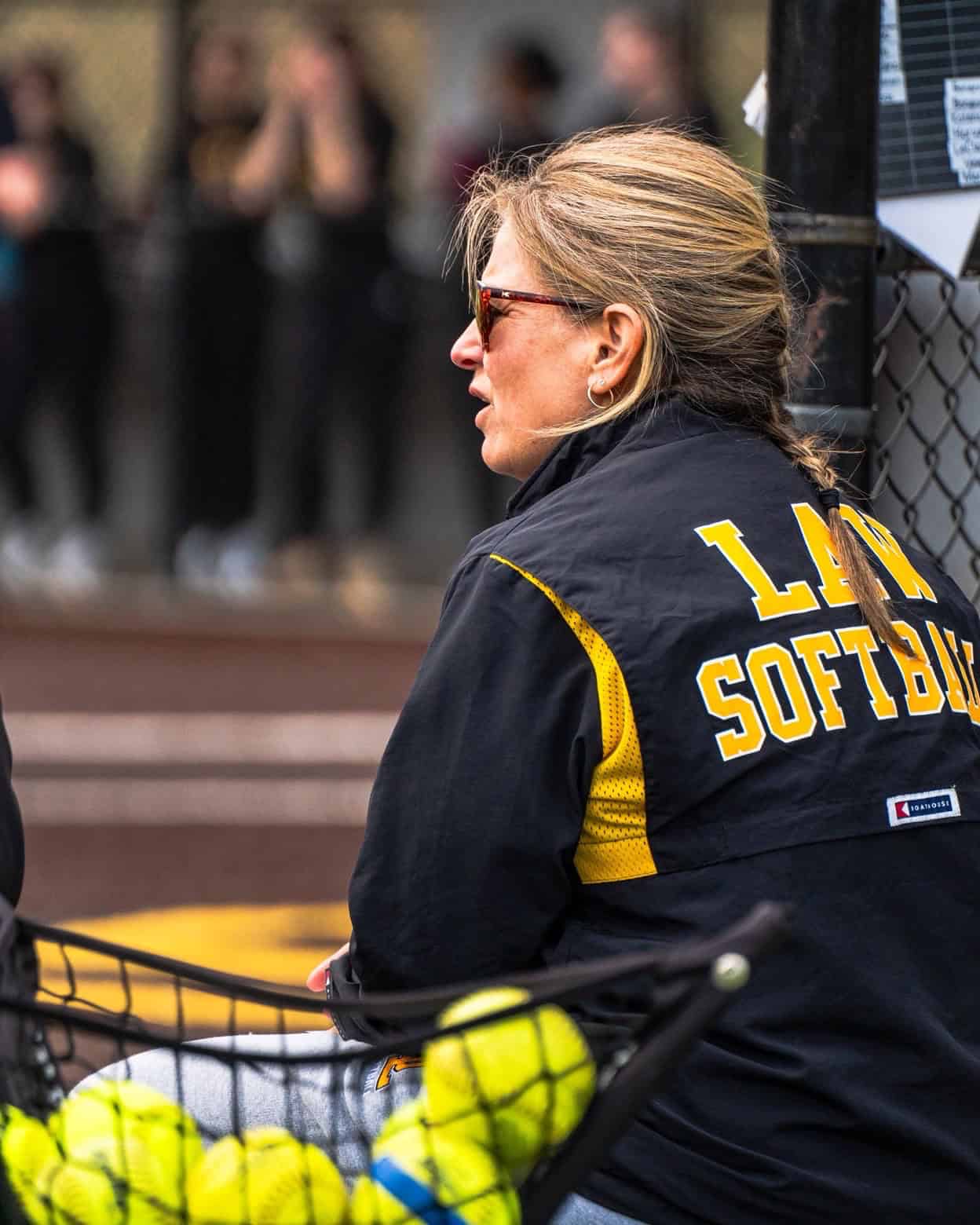
Coach Blude is responsible for developing her players throughout the season and helping her athletes reach their fullest potential. “I work hard with my girls well beyond the practice window to become the best version of themselves,” Blude says. “We work all year on team culture, accountability, and trust, so they grow not only as athletes but as confident, supportive young women who push each other to be better every day.
While softball focuses on teamwork, track requires students to manage individual goals alongside team expectations. At Foran High School, boy’s outdoor track and field coaches ensure that their players are prepared mentally and physically for every meet.
“Our coaches are very important to the team,” says captain Daniel Orozco. “They decide things like who’s on what relay and who would be best at every event. In practice, they make sure we are pushing ourselves to improve, but also making sure we aren’t doing too much to not injure ourselves.”
Parental support also plays a significant role. Sprinter Ryan Lawrence expressed appreciation for his parents’ encouragement. “My parents are so supportive with everything I do,” says Lawrence. “Even if I perform poorly, they still make an effort to show me how proud they are that I even made an effort.”
Track and field is about more than the statistics; it’s about consistency and self-improvement. Assistant coach James Chiappetta explains how he helps athletes focus on personal growth. “I push the team by setting clear expectations, encouraging consistent effort, and focusing on personal improvement rather than just results,” he says. “I try to meet athletes where they are, provide constructive feedback, and celebrate progress.”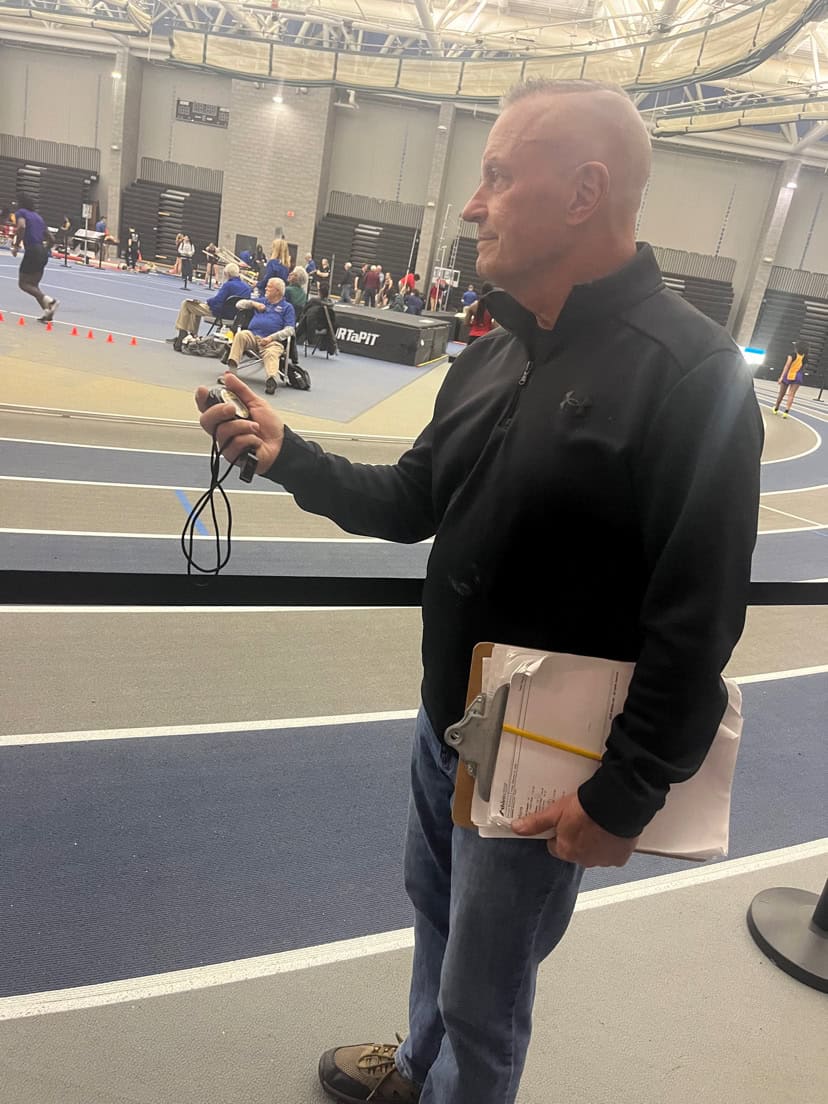
Like outdoor track and field, softball, and most other sports, lacrosse demands communication and teamwork. At Lauralton Hall, the varsity girl’s lacrosse team practices five or six days a week, focusing on skill, individual play, and gameplay.
Defensive captain Rowan McGrath describes a tradition started by head coach Laura Andersen which highlights a “player of the game” for both the JV and varsity teams. “At the end of each game, there is a new player crowned,” McGrath says. “Whether it be from stats, your energy on the field, your energy on the sidelines, or your hustle, everyone is recognized.” This tradition gives players on both squads a chance to be recognized for their hard work and dedication.
As these players and coaches know, it takes more than play to make a winner. “Successful student athletes treat their coaches, teammates, teachers, referees, opponents, and facilities with respect,” explains Coach Andersen. “They recognize the privilege to have something that brings so much joy and fulfillment.”
—Molly Lynch