
Spring is here, and something subtle and extraordinary has begun to unfold. Marsh grasses brighten, backyard trees swell with buds, and the quiet of the colder months gives way to the sounds of nature’s renewal. It’s what we’ve all been waiting for, especially after this winter’s fury.
The shift can reveal itself in small but meaningful ways: spotting a rabbit at dusk, noticing movements unseen by the eye at the marsh edge, or hearing frogs through an open window at dusk. Taken together, these moments signal a coastal ecosystem coming fully back to life.
Yet one doesn’t have to travel to renowned destinations like Jamaica Bay Wildlife Refuge in New York City, Edwin B. Forsythe National Wildlife Refuge in New Jersey, or the Savannah National Wildlife Refuge along the South Carolina–Georgia boundary to experience extraordinary wildlife. In Milford, nature is quite literally all around us, thriving along our rivers, salt marshes, tidal estuaries, and even our very busy roadways.
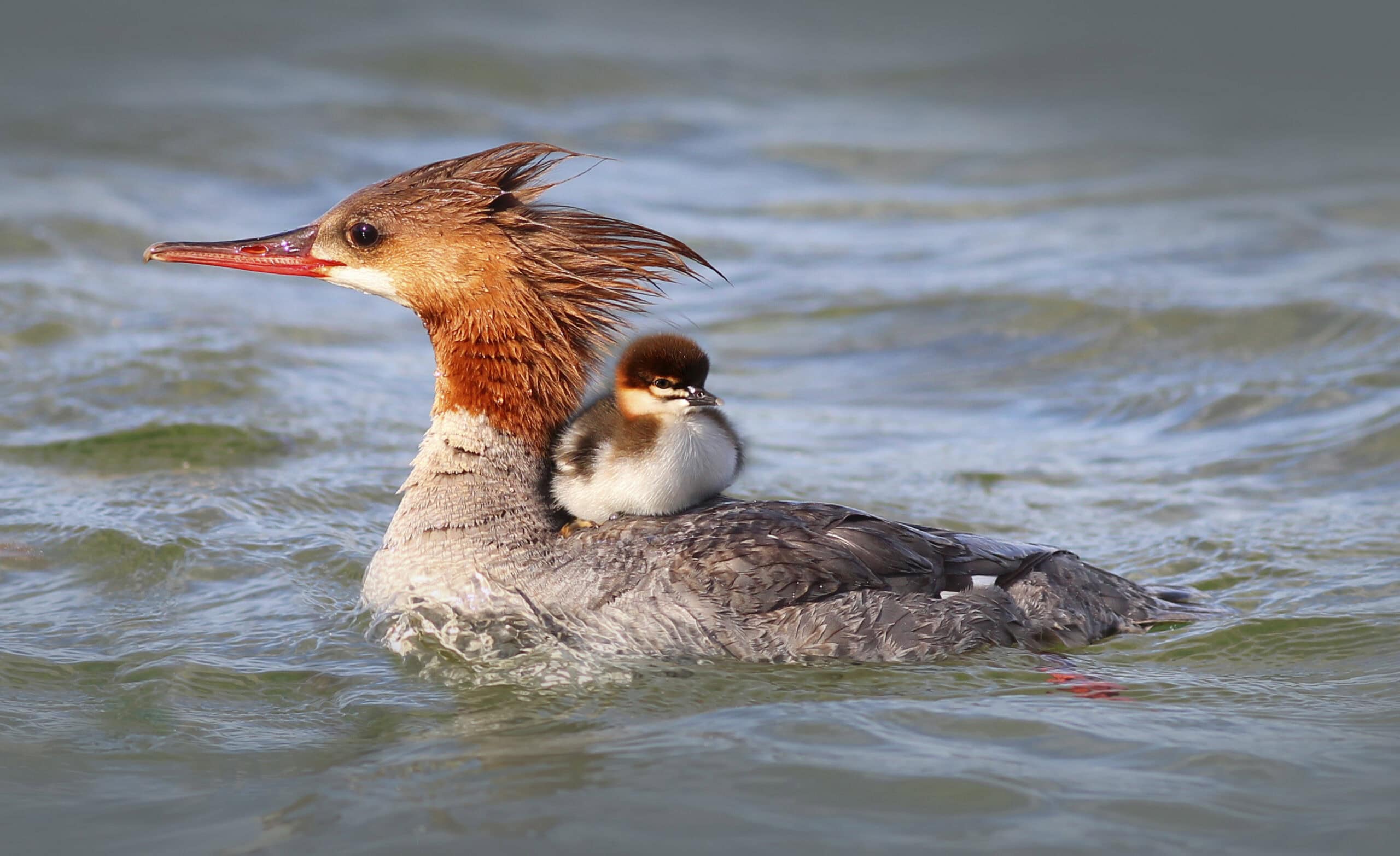 While driving along New Haven Avenue near the Indian River, Tim Chaucer recalls a striking sight that emerged in open water left unfrozen by the recent harsh temperatures: several large common mergansers. These elegant diving ducks, mostly white with narrow red bills designed for catching fish, are particularly stunning in the males, whose dark green heads shimmer in the light. Nearby were their relatives, the smaller hooded merganser and the red-breasted merganser, gathered together in a rare and memorable display. Sharing the water were other diving ducks such as bufflehead and common goldeneye, alongside the familiar American black duck, a dabbling species known for feeding on aquatic vegetation rather than fish.
Along Beach Avenue in Woodmont, hundreds of Brant geese comb the rocky shoreline for mollusks and crustaceans, while farther offshore, rafts of greater scaup drift with the tide. Seasonal visitors sometimes include common loons and various grebes, and the especially fortunate observer might glimpse a red-throated loon, recognizable by its slender, slightly upturned bill.
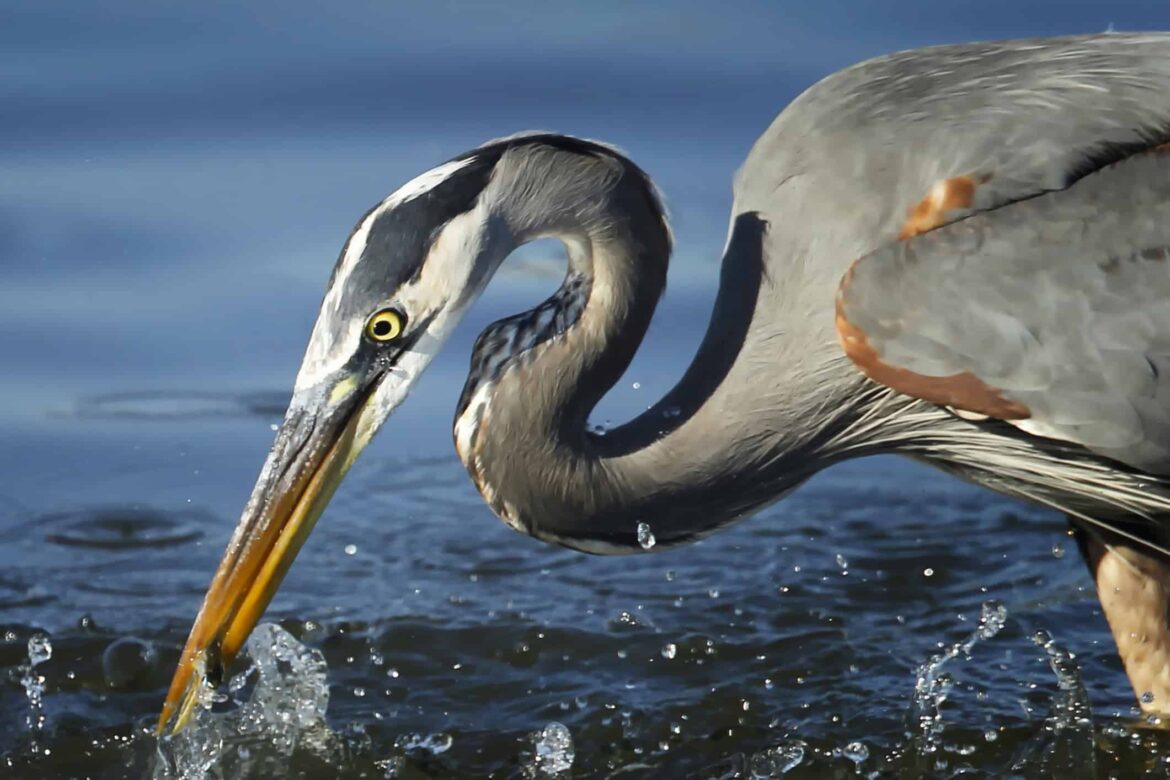
Casual observers may not realize that Milford also supports an impressive population of long-legged wading birds, species that nest in trees and draw birders from across the state. The less common yellow-crowned night heron nests near Laurel Beach, while black-crowned night heron colonies can be found along the Housatonic River. At dawn or dusk, they can often be seen feeding across mudflats near Gulf Beach or by the boat launch at Fowler Field. Nearby, great blue herons nest along Housatonic Drive in the Rivercliff area, and the powerful bald eagle is increasingly sighted in town wherever fish are plentiful.
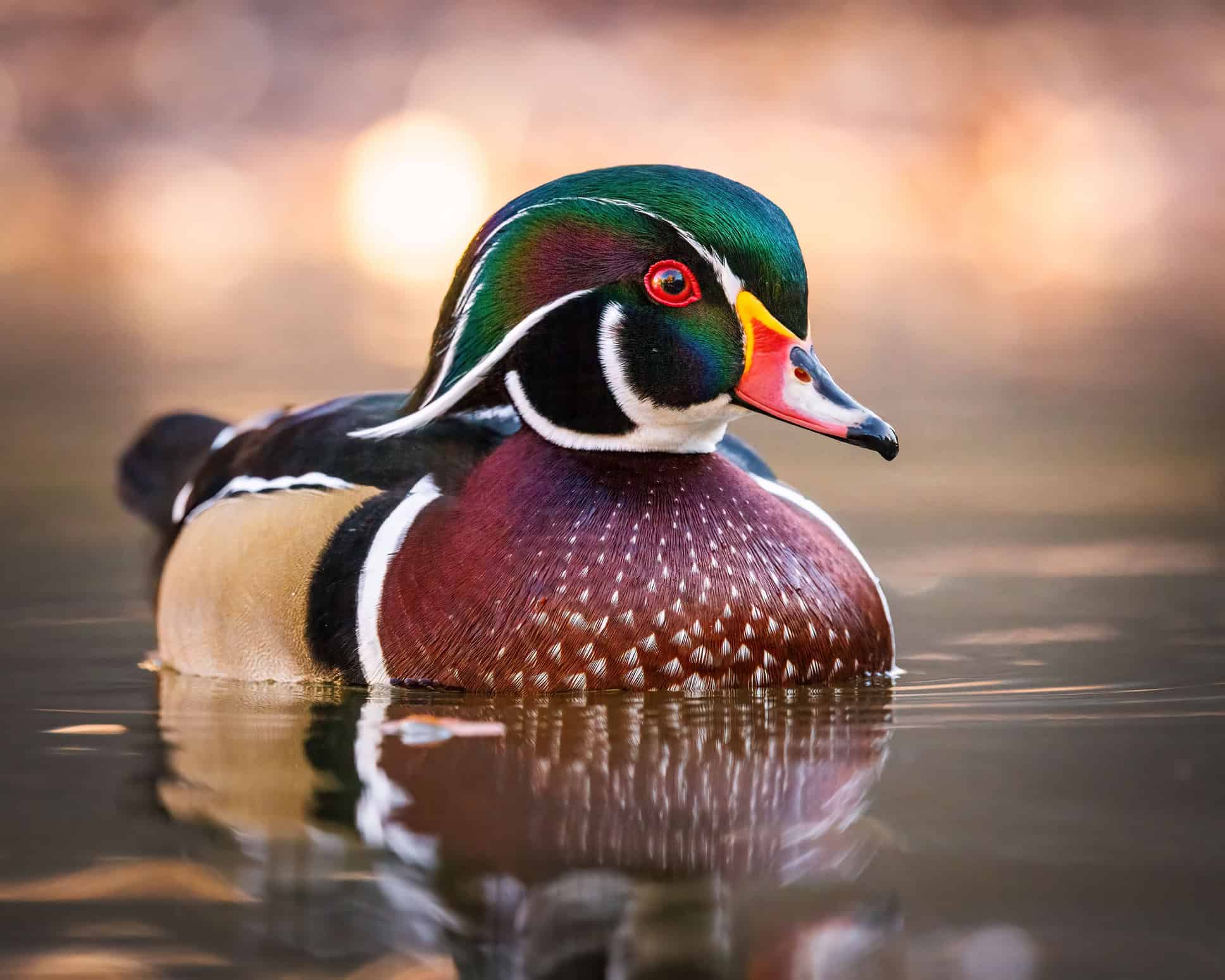 Spring walkers along River Street downtown may encounter the striking wood duck or large gatherings of ring-necked ducks, reminders that remarkable biodiversity exists just beyond our front doors. “I remember walking to my car behind our office on River Street when something caught my eye beneath branches dipping into the Wepawaug River,” recalls Suzanne Cahill, Milford Living(ital) publisher. “To my surprise, a river otter darted through the water. It was so quick and playful, for a moment the busy pace of the day disappeared. It was a powerful reminder that even in the heart of town, wild encounters are possible.”
Not all wildlife announces itself visually. Sometimes spring is first detected by sound: the high, rhythmic chorus of the spring peeper drifting through the evening air. Often heard before they are seen, these tiny frogs are among the season’s earliest performers.
Above gardens and early blooms, migrating monarch butterflies and other pollinators resume their essential work, providing a quiet but critical contribution to ecological health. As temperatures rise, sunbathing painted turtles appear on rocks and logs, slipping silently into the water as passersby approach the duck pond.
Each March, the return of the osprey captures the attention of longtime residents and newcomers alike. After wintering thousands of miles away in South America, these striking raptors reclaim nesting platforms in the Housatonic with remarkable precision. Meanwhile, the adaptable eastern cottontail becomes a frequent backyard visitor, and careful observers might glimpse a fox slipping along a tree line at Silver Sands at sunrise.
The graceful white-tailed deer remains Milford’s most familiar large mammal, moving effortlessly between wooded pockets in our neighborhoods and often wandering along our residential streets and backyards. In late spring, observant walkers may notice fawns nestled quietly in tall grass while their mothers forage nearby. Drivers should remain especially alert during this season, as increased movement often leads to more roadside crossings at dawn and dusk. Wildlife here, for its part, grows accustomed to the steady rhythm of our human activity. Creatures that repeatedly encounter people, cars, and bicycles without threat often develop a relaxed demeanor. Yet anything unfamiliar can trigger alarm.
Chaucer recalls one example. “Years ago, during a bird walk near the marsh at Milford Point, the shadow of a passing blimp swept across the landscape. Instantly, thousands of waterfowl erupted into flight. The shadow was new, not part of their daily experience, and therefore perceived as danger. The lesson was unmistakable: wildlife is always assessing its surroundings.” It raises a humbling thought: almost no matter where you stand in Milford, if you pause long enough to look around, wildlife may already be watching you, perhaps even adding you to its own life list.
The beauty of spring wildlife is that it asks very little of us beyond attention. You don’t need binoculars or deep expertise to appreciate it. Often, it begins with a simple pause. In a season defined by renewal, these encounters invite us to slow down and reconnect with the natural rhythms unfolding just beyond our doors, a reminder that in Milford, the wild is never far away.
—Suzanne Cahill & Tim Chaucer